
How To Create Scroll-Stopping Hooks
Here are the 3 types of hooks I use to consistently get 1M+ views

Howdy🤠
Today I will show you the 3 types of hooks that consistently hit 1M+ views.
Curious?
Good, that's the point.
That feeling you just had was the power of a hook.
You felt a spark of curiosity.
Maybe even a little FOMO.
Btw, we actually don’t have hooks that consistently hit 1M+ views, but you get the point :)
✓ It made you stop
✓ You cared about the content
✓ It bought me a second of your attention
Why Hooks Matter
Hooks are by far the most important part of any post.
The average person scrolls through 500+ pieces of content per hour.
That means you have a tiny window (1-2 seconds) to capture their attention before they move on.
Miss the hook, and nothing else matters.
You could have the best story, the most helpful lesson, or the craziest insight.
But if the hook doesn’t land, no one cares.
The Psychology of a Hook
A hook exists for one reason:
Create a curiosity gap.
That’s it.
We show the reader a piece of the picture…
but not the whole thing.
It’s like telling them the start of a story and stopping at the most interesting part.
We want the reader to be curious enough that they couldn’t dream of doing anything other than reading our content.
The most effective way to create that gap?
Contrast.
Here’s how it works:
The reader starts with one belief or assumption.
Then, your hook introduces a different perspective.
That difference between what they think is true and what you’re telling them is where the magic happens.
They believe A.
You show them B.
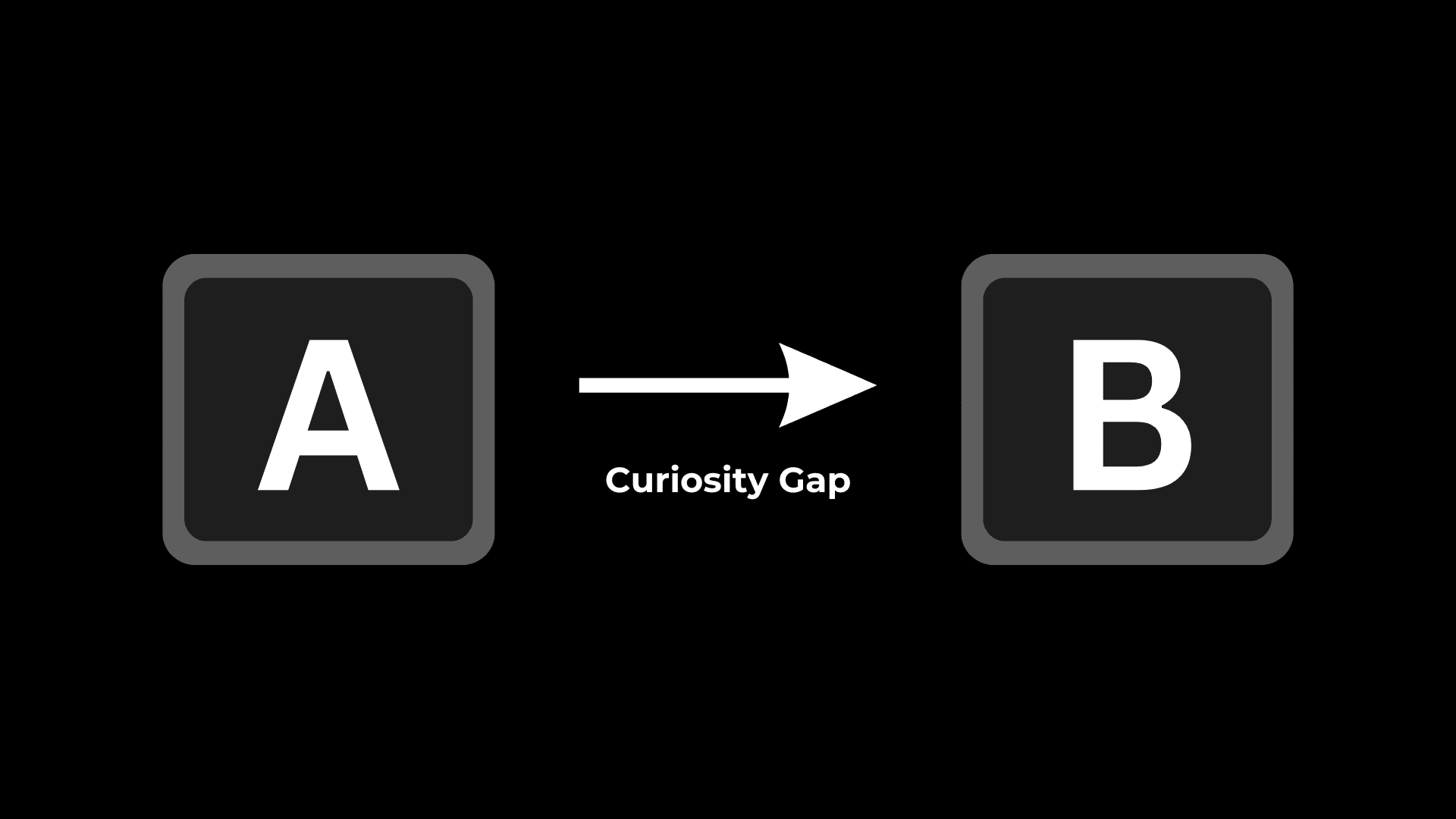
B could be something you know that they don’t.
Or a result you achieved that they’d love to have.
The bigger the gap between A and B, the stronger the curiosity, and the deeper the hook pulls them in.
Goals & Guidelines of a Strong Hook
Every hook should aim to check as many of these boxes as possible:
Relevance – Speak directly to your ideal follower’s interests, goals, or pain points.
Contrast – Show them a new perspective or unexpected truth (the difference between A & B).
Usefulness – Focus on one valuable idea, not three at once.
Emotion – Make them feel something — curiosity, fear, excitement, surprise.
Results – Show the benefits or transformation they’ll get from reading further.
Writing guidelines for hooks:
Use numbers, crazy stats, unique angles, or interesting facts.
Keep it concise, every extra word should earn its place.
Write as if speaking to one person about one thing.
Make it look easy to read, low effort, high reward.
The 6 High-Performing Hook Types
To make this plug-and-play, here are six proven formats that work across platforms:
1. The Fortune Teller
This format predicts what’s coming next in a way that makes people feel they’re hearing it before everyone else.
It taps into our natural curiosity about the future and our fear of being left behind.
Works exceptionally well for topics in tech, business, finance, social media, and cultural shifts.
Anywhere change happens fast.
How to use it:
State the current reality
Suggest how that reality might change in the future
Frame your statement to tease that change without giving away the full picture
Example:
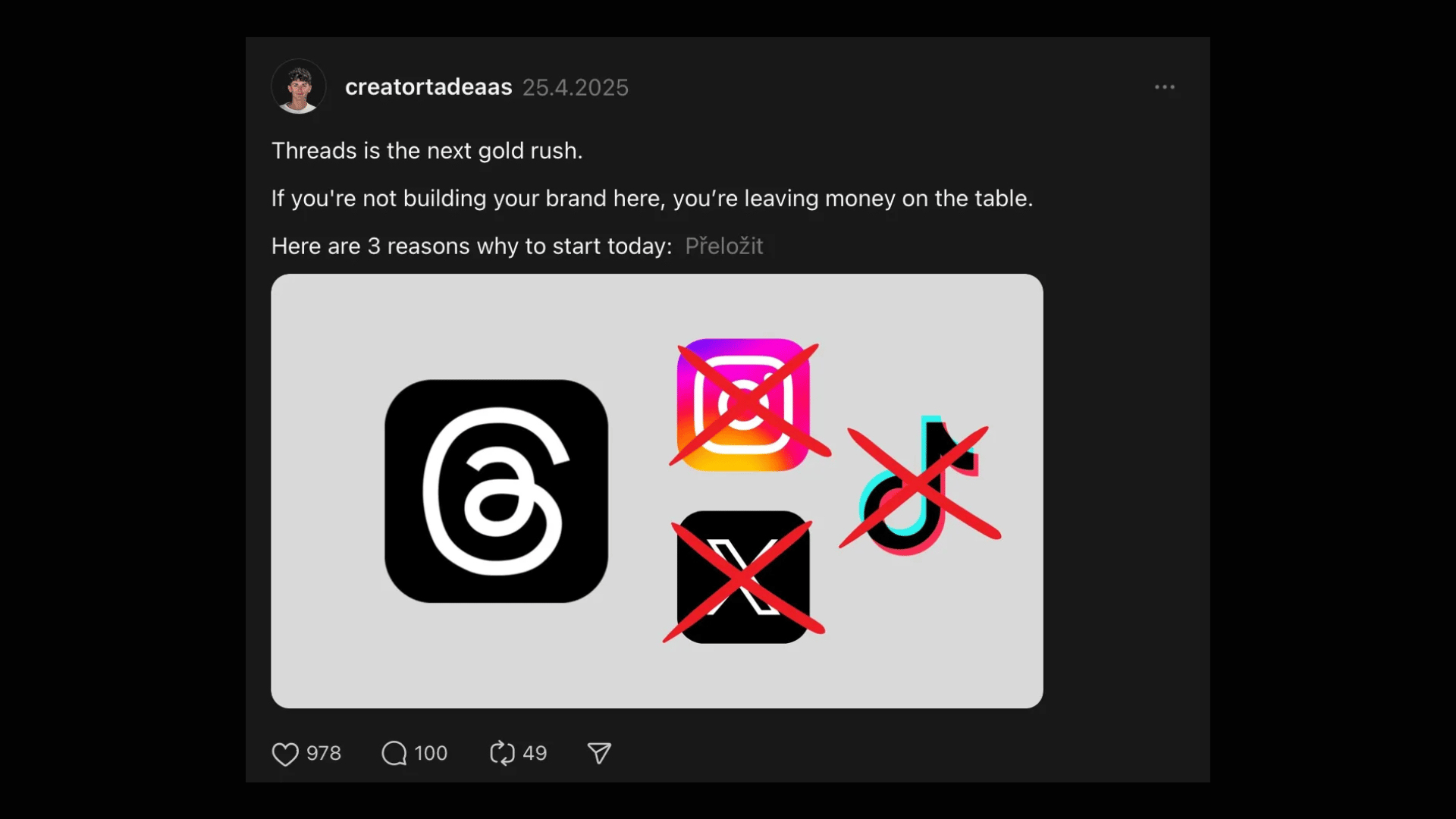
Why it works:
The human brain is naturally wired to think about the future.
When you make a credible prediction, people feel they’re gaining an informational advantage.
By painting a clear picture of what’s coming, you position yourself as an authority.
The person they can trust to guide them into what’s next.
2. The Experimenter
This hook takes readers on a journey.
You start in a relatable place where you struggled with the same problem as your followers.
Then you share the thing you did to solve it.
The bigger the change or the more surprising the outcome, the stronger the hook.
People love transformation stories because they let them imagine their own transformation through you.
It also humanizes you.
You’re not a perfect guru, you’re a fellow human who figured something out.
How to use it:
Start with a relatable pain point your audience shares
Show that you found a method, tool, or system to solve it
Tease the transformation or surprising outcome
Examples:
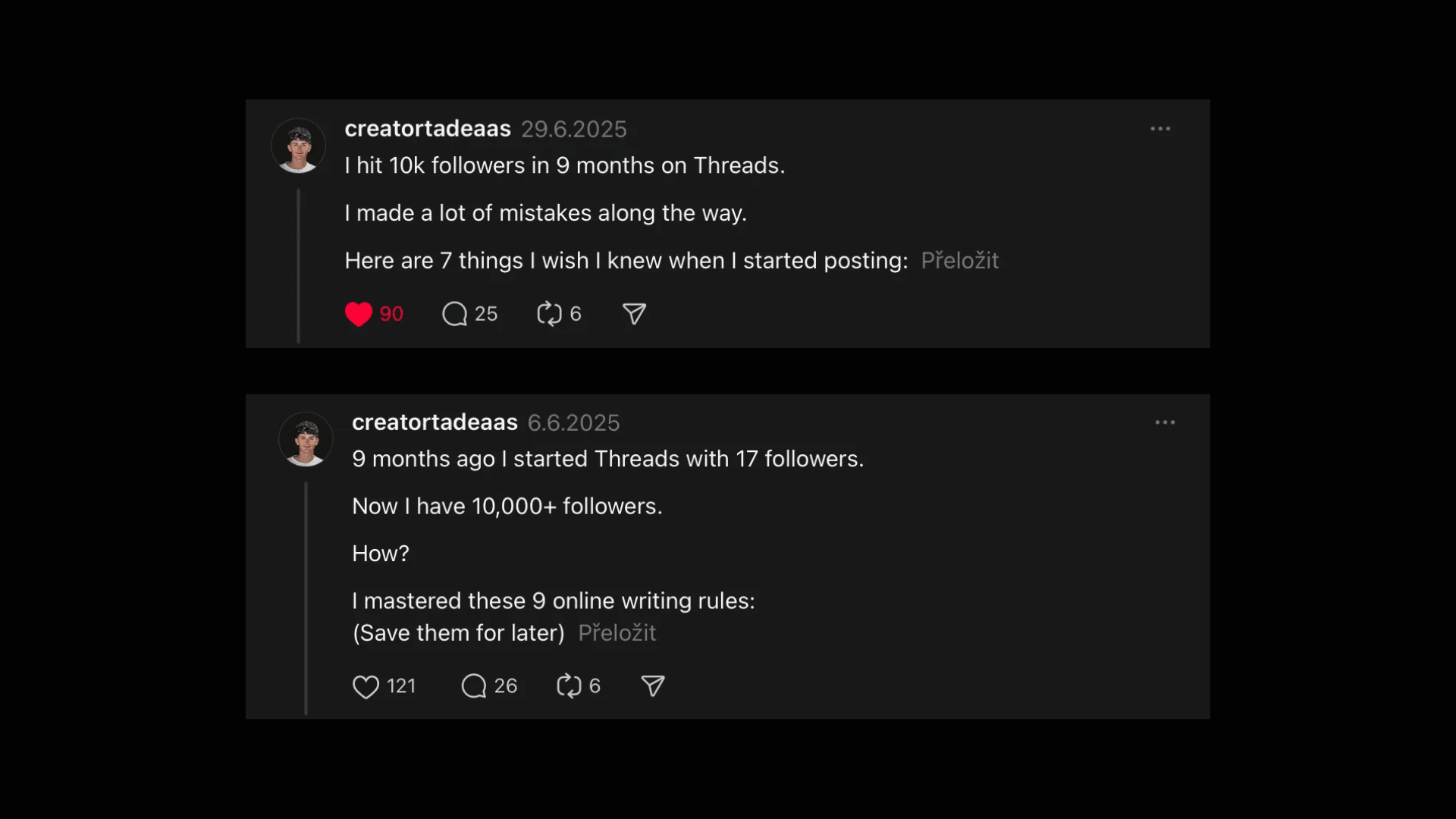
Why it works:
This format feels peer-to-peer.
You’re not preaching from above, but you’re saying, “I’ve been where you are, and I found a way out.”
You’ve walked the same path your audience is on.
This builds both personal connection and authority.
3. The Teacher
Similar to The Experimenter, but more teacher-to-student than peer-to-peer.
It’s less relatable but gives you more credibility.
This format is perfect when you have a proven solution and want to share it clearly and confidently.
You position yourself as the expert and a strong authority.
The hook here hints at the exact benefit someone will get if they read on.
How to use it:
Identify a problem your audience struggles with
Share the process or system that solves it
Show them how they can apply it themselves
Examples:
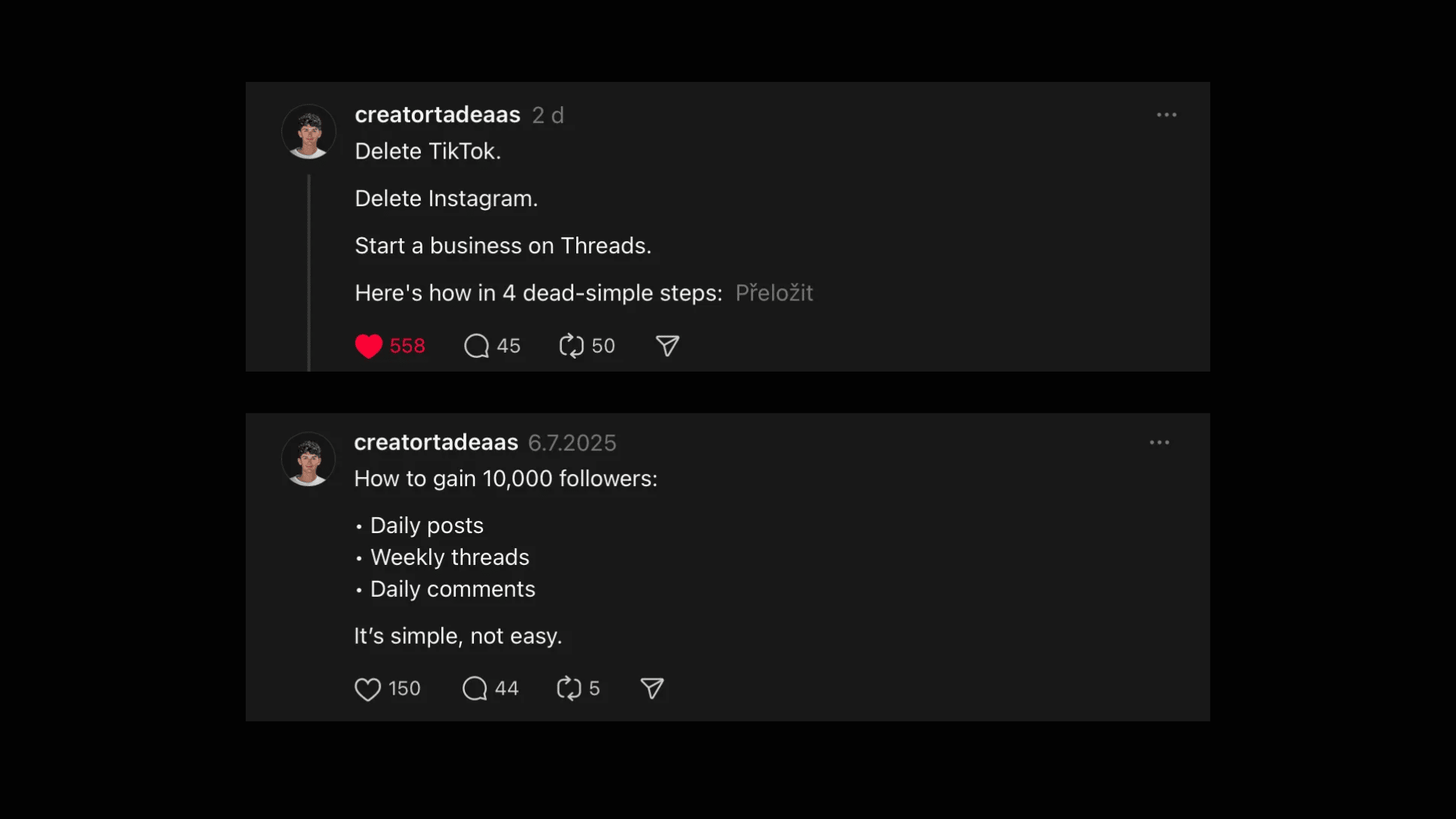
Why it works:
You’re giving them a proven path from problem to solution.
This is a staple for high-value, actionable content.
It positions you as a go-to resource for practical, actionable solutions.
4. The Magician
This is all about surprise.
You pull the reader in with something that clashes with what they expect to hear.
A bold claim, a shocking stat, or an unusual truth.
The key is to make them think: “Wait… how can that be true?”
That little burst of disbelief forces them to keep reading.
How to use it:
Share a statement that makes the reader say, “Wait, what?”
Keep the surprising statement short. Ideally just one line
Use an unexpected stat, bold opinion, or paradox
Numbers and percentages amplify the effect
Follow up with proof or reasoning quickly
You can’t just shock, you have to explain
Example:
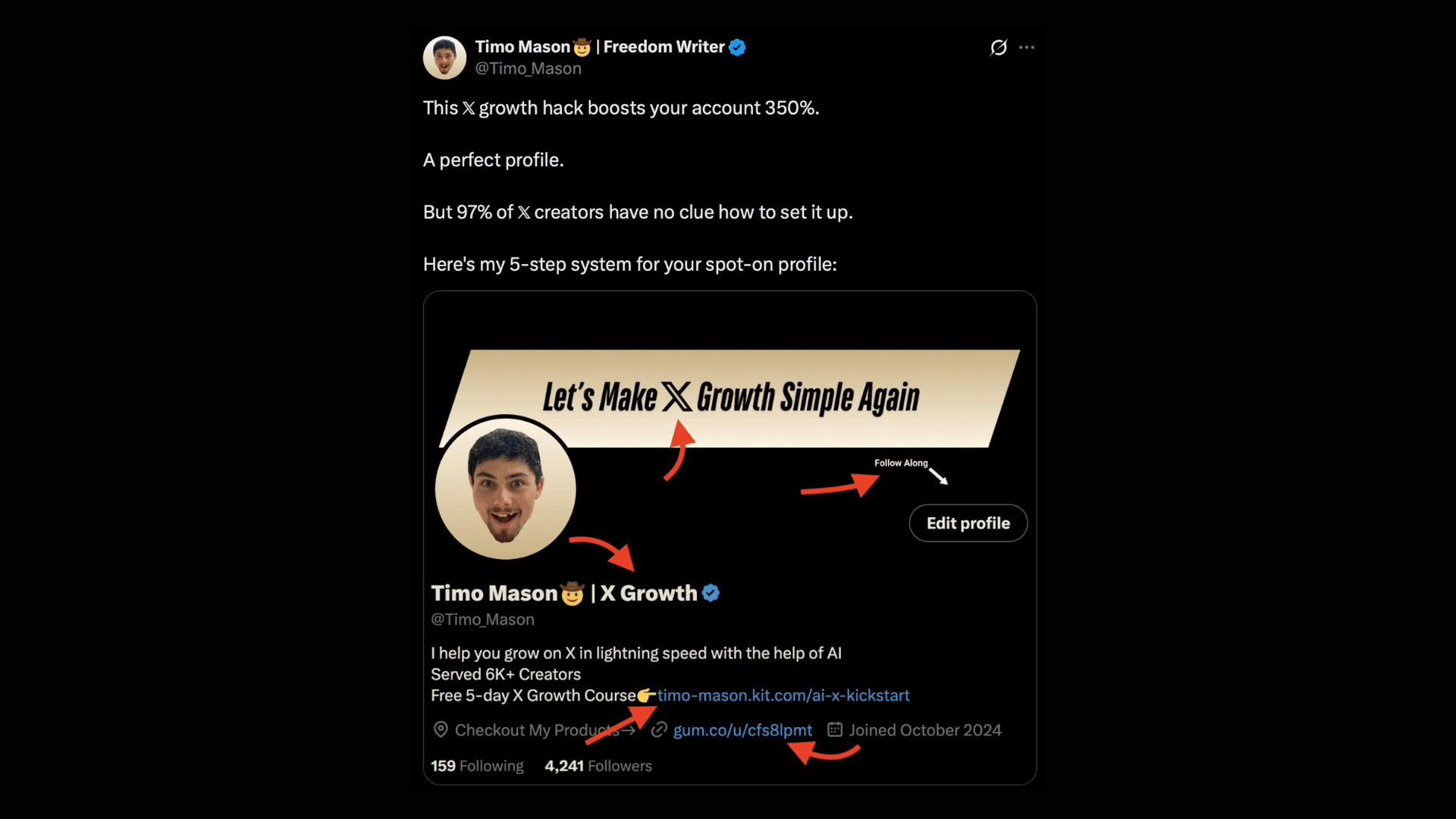
Why it works:
It breaks expectations.
This sudden shift instantly grabs attention and sparks curiosity about how it could possibly be true.
5. The Investigator
Reveals secrets, untold stories, or hidden patterns.
This format plays on the irresistible pull of secrets, behind-the-scenes info, and hidden patterns. It makes the reader feel like they’re getting exclusive access to something not everyone knows.
You’re the detective here.
Uncovering and revealing the thing they wish they knew.
How to use it:
Hint that there’s insider knowledge your audience is missing.
Frame it against their current reality (what they don’t know).
Position yourself as the person who can lift the curtain.
Example:
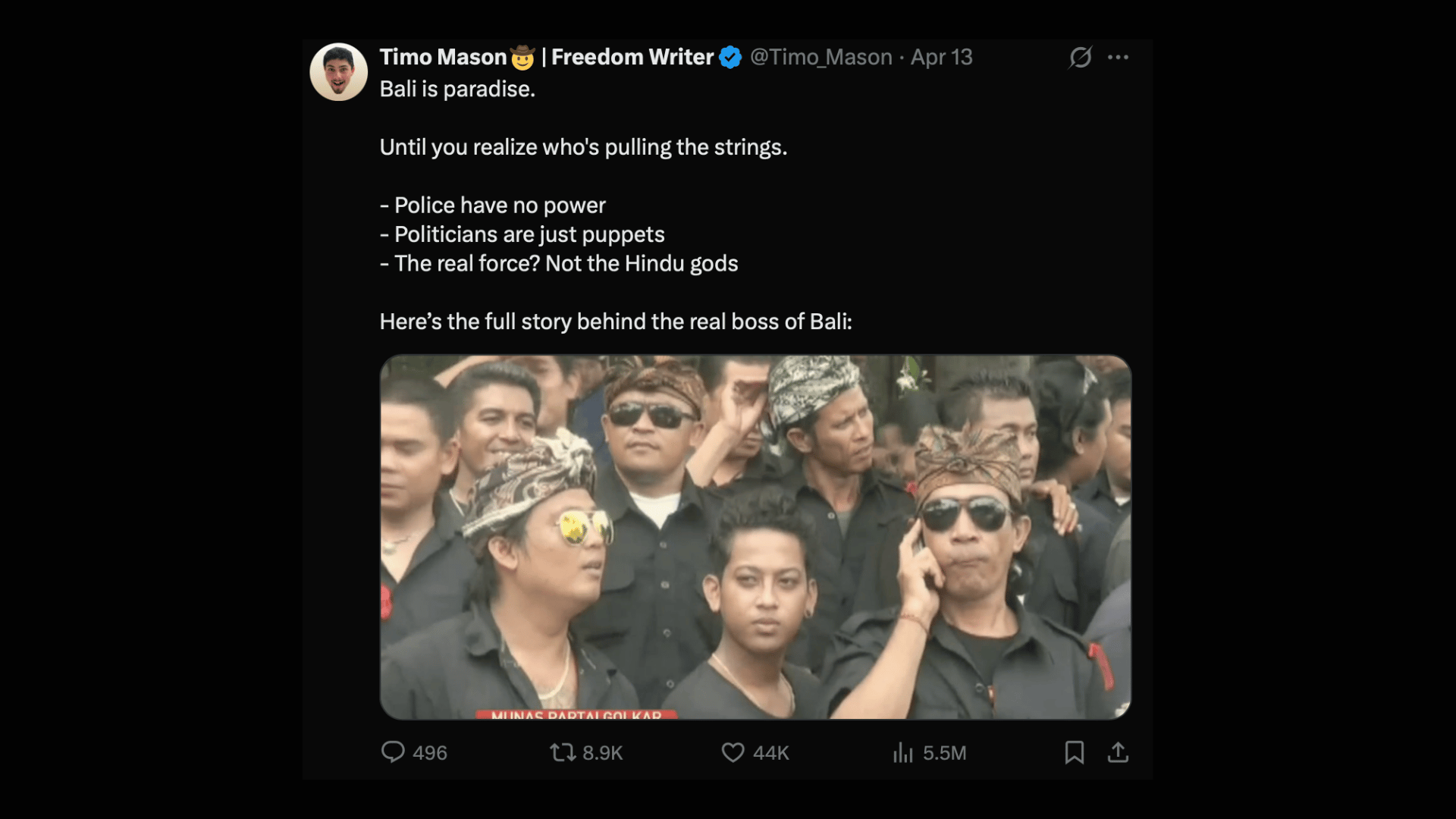
Extra tips:
Use phrases like “Nobody talks about…”, “The truth about…”, “Secret method…”
Frame the information as rare or overlooked, even if it’s actually public knowledge
Works well with case studies, niche hacks, or industry breakdowns
Why it works:
Humans are irresistibly drawn to secrets and exclusivity.
The promise of hidden knowledge triggers a fear of missing out and a desire to gain an advantage.
6. The Contrarian
Challenges widely accepted ideas.
How to use it:
Find a belief most people in your space hold
Share why you disagree and back it up
Show them a better way
Examples:
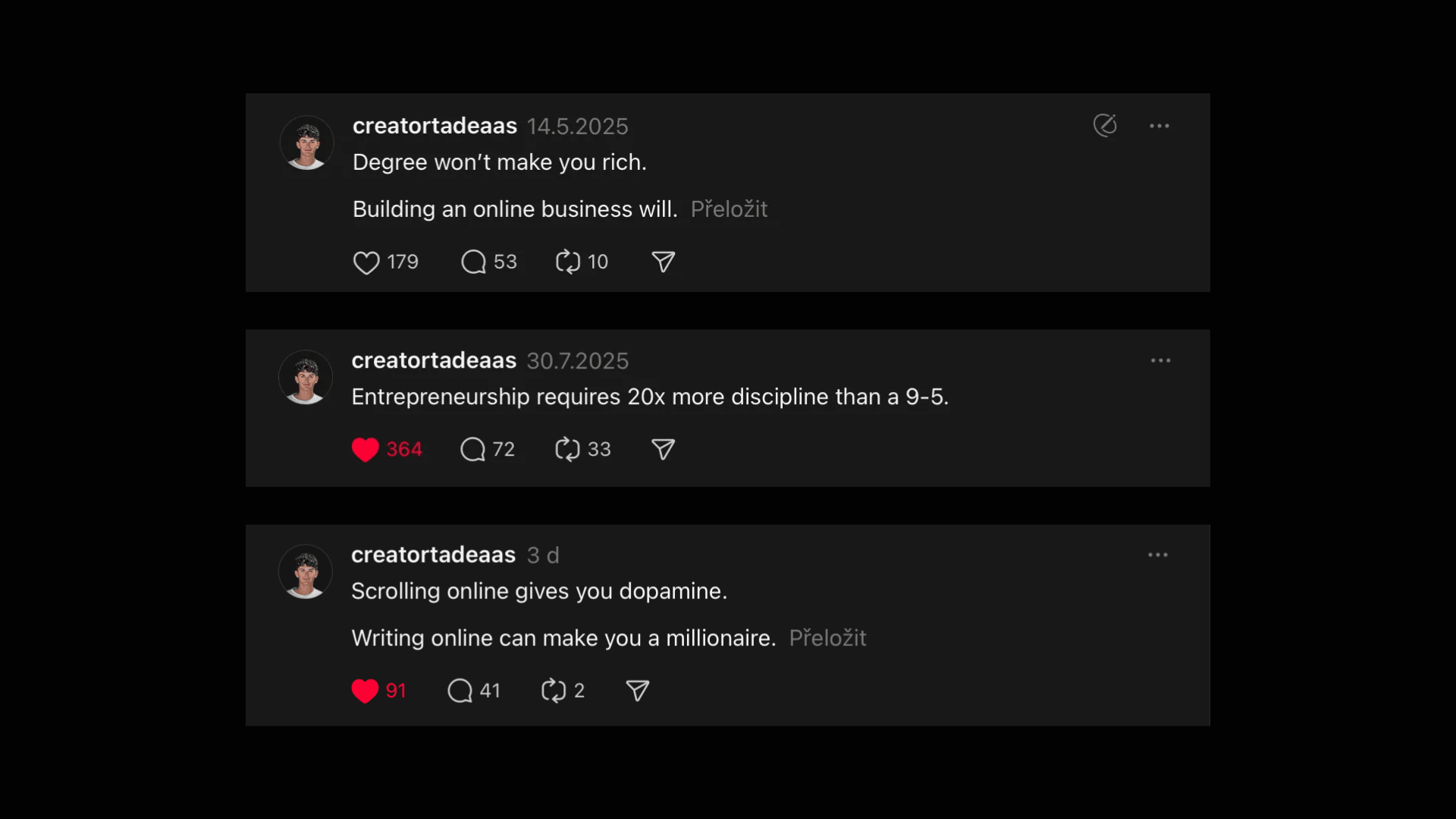
Why it works:
Challenging common wisdom disrupts mental autopilot and forces people to think.
When done respectfully and backed by evidence, it builds authority and trust.
Hook Writing Practice
The best way to get better at hooks?
Practice.
Here’s a simple drill framework:
Hook type: [Choose 1 of 6 types]
Topic: [Your topic]
Hook: [First few lines of your tweet]
Example:
Hook type: Teacher
Topic: Digital Writing
Hook:
99% of people suck at writing.
- No views
- No followers
- No engagement
Here are 3 writing frameworks that got me 10 Million views:
Do this 5x a week, your hook-writing skills will grow faster than 99% of creators out there.
Now that we've got the hooks down…
We only have to worry about all of the other endless things we need to be to be successful creators.
Thanks god I created the AI-Powered 𝕏 Kickstart for you.
✓ Build a high-converting 𝕏 profile, even if you’re starting from scratch
✓ Create daily tweets with AI that get seen, clicked, and shared
✓ Turn ChatGPT into your personal 𝕏 growth assistant
See ya soon
Timo Mason🤠